
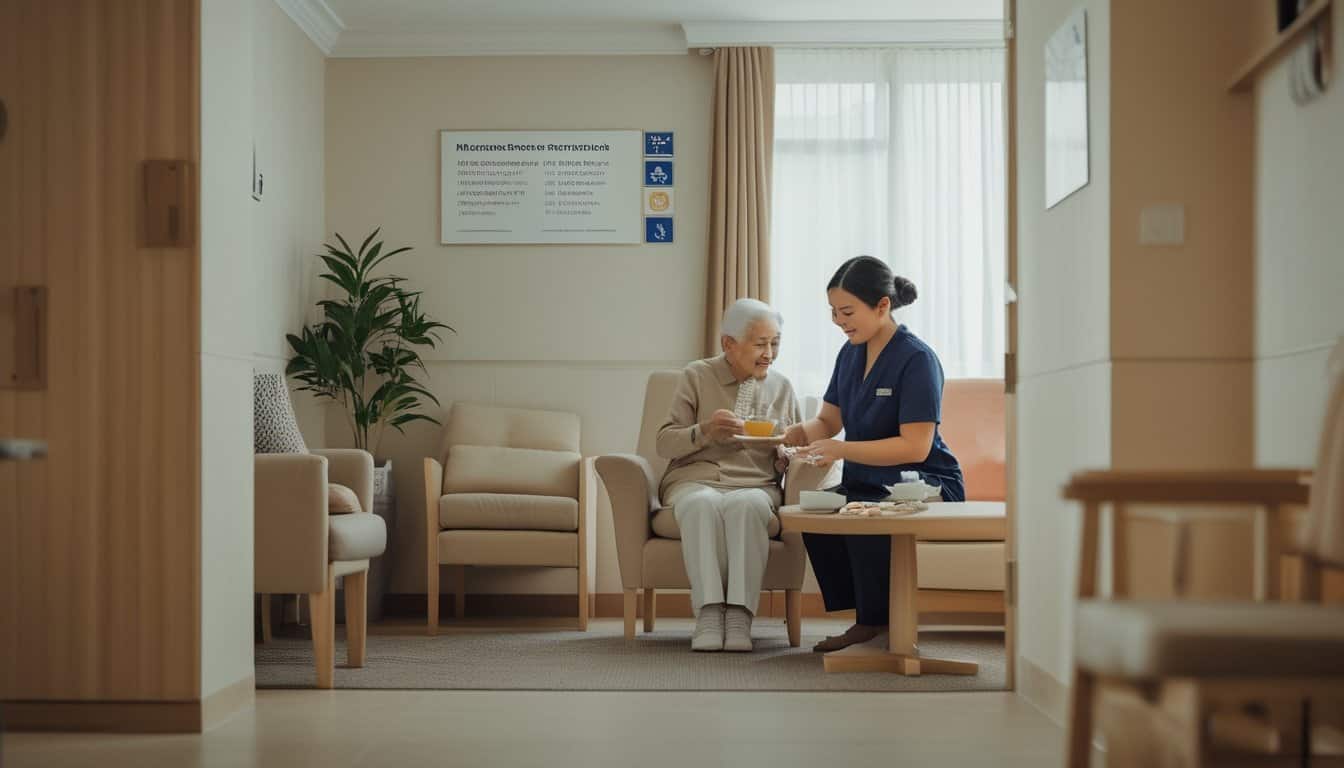
What a Dementia Care Home Is, and Why It Is Different
When I first compare a dementia care home with a regular residential home, the difference is not just about extra help at mealtimes or someone remembering medicine. A dementia care home is designed around how dementia affects memory, safety, communication, routine, and emotional wellbeing. In plain English, it is a home built for people who may forget where they are, need gentle guidance, or feel anxious when things change too quickly. Related source: Seek Elderly Care reviews for dementia care homes.
This matters because dementia is not one-size-fits-all. Some people need light support and a calm environment. Others need full-time supervision, especially if they wander, become confused at night, or need help with daily tasks. In a dementia care home, the staff, layout, and daily routines are usually planned to reduce stress and make life feel more predictable. That is the headline difference: it is not just care, it is care with dementia in mind. Related source: elderly home care services.
Dementia Care Home vs Regular Care Home
If I put a dementia care home side by side with a regular care home, the biggest contrast is the level of specialist support. A regular care home may suit an older adult who needs help with bathing, meals, or mobility, but still manages most decisions independently. A dementia care home is better suited to someone whose condition affects memory, judgement, orientation, or behaviour in ways that make everyday life more complicated.
Think of it like this: a regular care home is a comfortable hotel with support services, while a dementia care home is more like a carefully designed neighbourhood where the signs are clearer, the routines are steadier, and the staff are trained not to panic when someone asks the same question ten times. That repetition is not annoying there; it is part of the job.
Signs It May Be Time to Consider One
I usually think of the decision in terms of safety, comfort, and strain on the family. If someone with dementia is becoming lost in familiar places, forgetting to eat, leaving appliances on, or needing increasing help with washing and dressing, a dementia care home may be worth considering. Another sign is when home care is no longer enough to keep everyone safe and calm.
Family carers often notice the change before anyone else does. If I find that I am repeating instructions constantly, sleeping lightly because I worry about wandering, or feeling emotionally worn out, it may be a sign that the current setup is becoming too heavy. Moving earlier, rather than later, can sometimes make the transition gentler for everyone involved.
What Good Dementia Care Looks Like
Good dementia care is not just about supervision. It is about dignity, patience, and consistency. In a strong dementia care home, staff usually speak clearly, use familiar routines, and avoid rushing residents. They may use memory prompts, calming activities, and simple choices to help a person feel more in control of their day.
Another important feature is person-centred care. That means the team should learn the resident’s preferences, background, habits, and triggers. If someone always likes tea at 4 p.m. or becomes anxious in noisy spaces, that detail matters. The best care homes do not treat residents like a checklist. They treat them like people, which, frankly, is a refreshing concept.
How I Compare Facilities Before Choosing
When comparing facilities, I look beyond brochures and polished furniture. A dementia care home should feel safe, calm, and practical. I pay attention to how staff speak to residents, whether the environment is easy to navigate, and whether the atmosphere feels warm rather than clinical. A place can look lovely online and still feel confusing in real life.
I also compare the level of training, the staff-to-resident ratio, activities, meal support, visiting policies, and whether the home can adapt as needs change. It helps to ask direct questions: How do they handle wandering? What happens if a resident becomes distressed at night? Can they support advanced dementia? These questions may sound blunt, but so is dementia. Better to ask now than discover the answer during a crisis.
Environment and Design Features That Matter
The physical design of a dementia care home can make a huge difference to daily life. Clear signage, good lighting, simple layouts, and safe walking paths help residents move around with less confusion. Colour contrast on doors, handrails, and toilet areas can also make spaces easier to understand.
Comfort matters too. Too much noise, clutter, or glare can make someone with dementia feel unsettled. A well-designed home often uses familiar, homely touches so the space feels welcoming rather than institutional. In my view, the best environment is one that quietly helps people succeed without making a big show of it. Good design should work in the background, like a helpful friend who does not talk too much.
Daily Routines, Activities, and Mealtimes
Routine is a powerful tool in dementia care. A consistent schedule for waking, meals, activities, and bedtime can reduce anxiety and confusion. In a dementia care home, the day is usually structured but not rigid, which is important because people still need flexibility and respect for their mood and energy levels.
Activities should also be meaningful. Music, folding towels, gardening, reminiscence sessions, and gentle exercise can be more useful than activities that feel childish or overly complicated. Mealtimes matter as well. Supportive dining, familiar food, and calm surroundings can improve appetite and reduce frustration. The goal is not to keep people busy for the sake of it, but to help them feel included, capable, and at ease.
Costs, Funding, and Practical Planning
The cost of a dementia care home varies depending on location, room type, care level, and services included. More specialist support usually means a higher fee, so it is wise to compare what is actually covered rather than focusing on the headline price alone. Some homes include personal care, meals, activities, laundry, and nursing support, while others charge separately for certain services.
Practical planning also helps. I would check contracts carefully, ask about fee increases, and understand notice periods before committing. Families may also want to explore available local support, though the details depend on individual circumstances and country-specific arrangements. The main thing is to avoid rushed decisions. Dementia already brings enough surprises; the invoice should not be one of them.
Making the Transition Easier for Everyone
Moving into a dementia care home can be emotional, even when it is clearly the right step. I think the transition goes more smoothly when it is handled with honesty, patience, and familiar comforts. Bringing favourite photos, blankets, books, or a treasured mug can help make the room feel like home faster.
It also helps to keep visits calm and positive at the start. Short, reassuring visits are often better than long, exhausting ones. Family members should try to work with the staff, share useful background information, and stay involved in a realistic way. The first few weeks may take some adjustment, but with the right support, the new routine can become less of a shock and more of a steady harbour.
